
Emergency Eye Care in Castle Rock CO
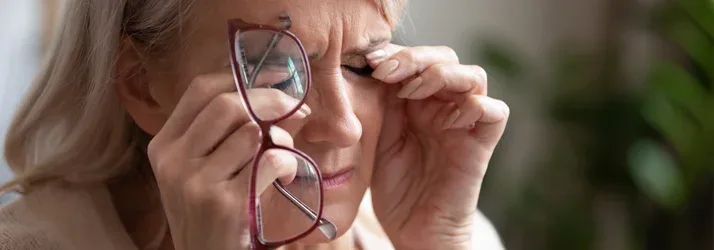
Eye emergencies in Castle Rock CO can happen when you least expect them, putting your eye health and vision at risk. Knowing where to go during an emergency can help you get treatment as soon as possible.
We’re here to help when you need us most, providing timely medical care. If your emergency happens outside our office hours, contact us or visit your nearest emergency room for treatment.
What Is an Eye Emergency in Castle Rock CO?
An eye emergency is any situation where your eye health or vision is at risk, such as a cut, scratch, or hit to the eye. These situations can lead to further complications, making timely eye care important. Even if an injury seems insignificant, visiting your eye doctor is the best thing you can do for your ocular health.
You should visit our office or an emergency room immediately if you experience any of the following:
- Bruises around the eye
- Chemical splash
- Discharge from the eyes
- Enlarged pupils
- Extreme itchiness
- Eye bleeding
- Eye pain or soreness
- Scratched or cut eye
- Flashes and floaters
Types of Eye Emergencies
Many eye emergencies can place your vision and eye health at risk. These conditions can range from eye diseases to eye injuries caused by a fall or hit to the eye.
No matter what emergency you experience, it’s important to seek treatment. These situations can be scary and overwhelming, but swift action can help save your sight.
Common eye emergencies include blunt trauma, chemical exposure, foreign objects in the eye, or red eye emergencies.
Blunt Trauma
Blunt trauma is a hit to the eye. This injury can happen for many reasons, including accidental falls, sports injuries, or another force hitting the eye. Pain, bruising, swelling, and changes in vision are common symptoms of blunt trauma.
It’s essential to visit a medical professional for assessment and treatment when you experience this emergency.
Chemical Exposure
Any chemicals in your eye can lead to significant complications. Damage can happen to the eyes quickly, so you must take immediate action before seeking medical attention.
Take the following steps if your eyes become exposed to chemicals:
- Flush your eyes with clean, lukewarm water for at least 20 minutes
- Wash your hands with soap & water to remove chemical residue
- Remove your contact lenses if you’re wearing any
To avoid further damage, never rub your eyes.
Foreign Object in the Eye
A foreign object in the eye can vary in severity. No matter what’s in your eye, an assessment is necessary for protecting your eye health. Dust, hair, dirt, or sand can become stuck in your eye, potentially scratching your eye’s surface and leading to further complications.
Large or sharp objects can place your vision at risk, requiring immediate medical attention. Never attempt to remove these objects alone—visit an emergency room or our office for professional treatment.
Red Eye Emergency
A red eye emergency is a general term for several problems, such as intraocular inflammation, corneal injury or inflammation, and acute glaucoma. Red eyes may seem insignificant, but many serious eye conditions cause this reaction.
Visit us immediately if you experience any of these red eye emergencies:
- Acute angle-closure glaucoma: Acute angle-closure glaucoma occurs when pressure rapidly rises in your eyes because fluid cannot drain properly. Fluid in the eye becomes trapped because the iris pushes forward & blocks fluid from draining, causing a pressure build-up.
- Globe rupture: A globe rupture is a vision-threatening emergency typically caused by blunt trauma to the eye. Significant damage to the eye can lead to vision loss if not treated fast enough.
- Keratitis: Keratitis is inflammation or infection of your cornea caused by bacteria, injury, or another cause. If left untreated, this condition can damage your vision. Visiting a medical professional for treatment can help protect your sight.
- Uveitis: Uveitis is inflammation of the uvea, the middle layer of your eye. Swelling can occur in different parts of the uvea, placing your vision at risk. Your risk of uveitis increases if you have had previous infections, inflammatory disease, or a history of smoking.
What About Flashes & Floaters?
Flashes in your vision may look like bright streaks of light, like a flash of lightning. Flashes occur when the vitreous (gel-like fluid that fills the eye) rubs or pulls on your retina.
Floaters in your vision may look like small dots, patches, or lines, like a dark spot your eye can’t focus on. Floaters occur when clumps of gel or proteins float in the vitreous of your eyes. These clumps cause shadows against the retina, creating the small blind spots in your vision.
Flashes and floaters are not uncommon. In fact, anyone can experience flashes and floaters. However, flashes and floaters are an emergency if:
- There are suddenly a lot of new floaters/flashes in your vision
- You notice a shadow in your peripheral (side) vision
- A gray “curtain” is covering part of your vision
Please seek immediate medical attention if you experience any of these symptoms.
You Can Count on Us
You never know when an eye emergency may happen, but you can know where to go if you or someone you know has an accident. Contact us or visit your nearest emergency room if you experience an eye emergency.